Following the completion of the project ‘Power Dynamics between the Global North and South: The Case of Fair-Trade Policies’, the students, together with both mentors, explored issues of inequality, power, fair trade, cooperatives and working conditions, including through direct contact with organisations in Sicily. Visits to these organisations marked an important transition from theoretical discussions to concrete examples of how businesses and social organisations operate.
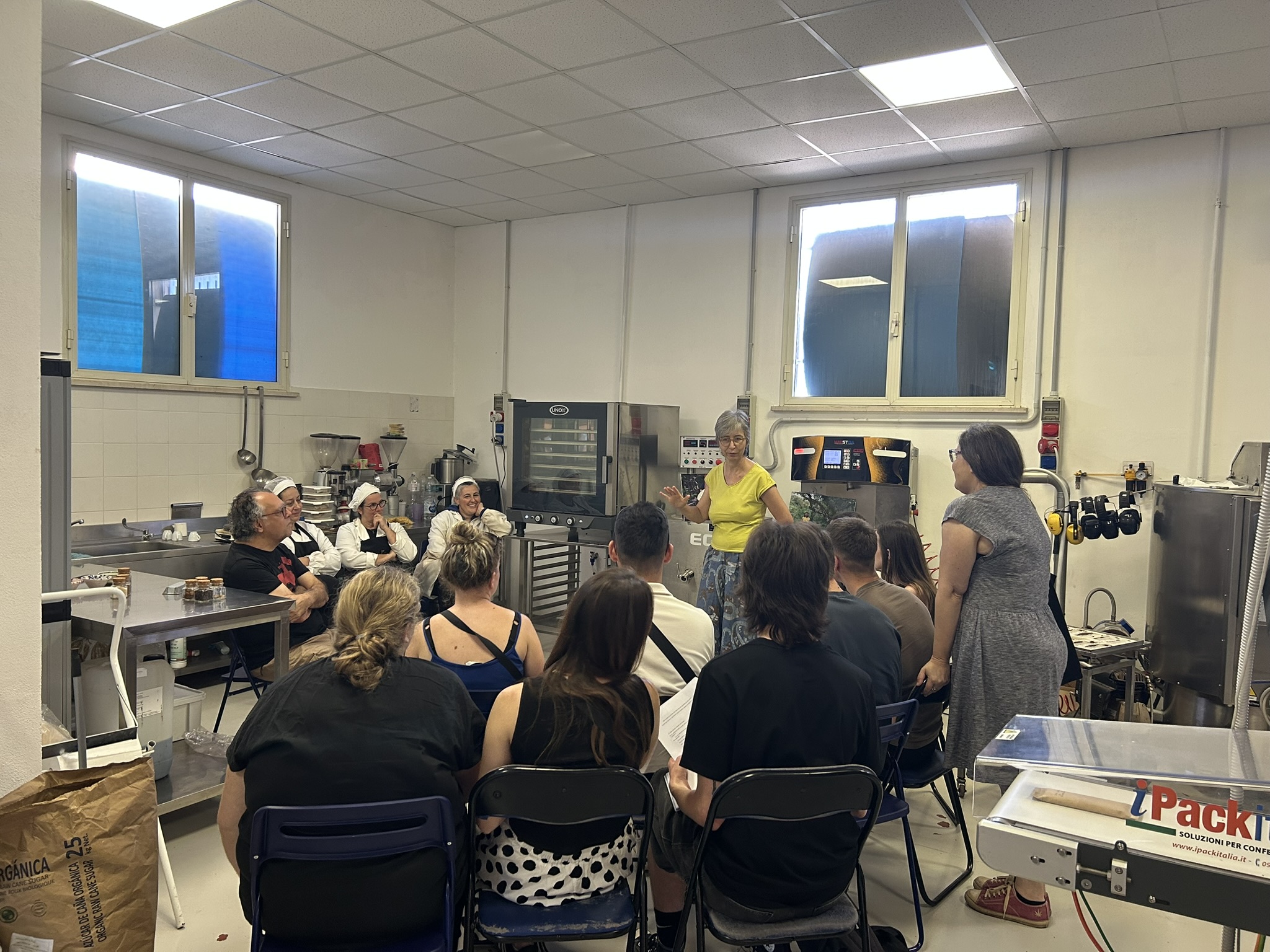
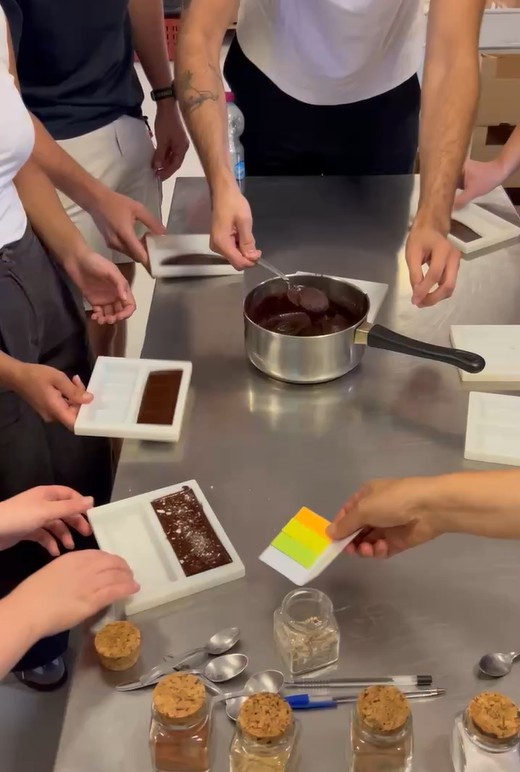
At the LAeQua company in Modica, they observed the chocolate production process and took part in a workshop directly linked to their research topics. They discussed internal management and employee involvement in decision-making, the situation of seasonal workers, the selection of suppliers, the assurance of fair working conditions, and supply chain ethics. Particular attention was paid to integrating the global Fairtrade system with local Sicilian ingredients and artisanal traditions, and to the question of the extent to which individual organisations can actually participate in decision-making within the Fairtrade system. In doing so, the students tested their research question in practice: whether formally fair and ethical systems also result in a more equitable distribution of power in reality.
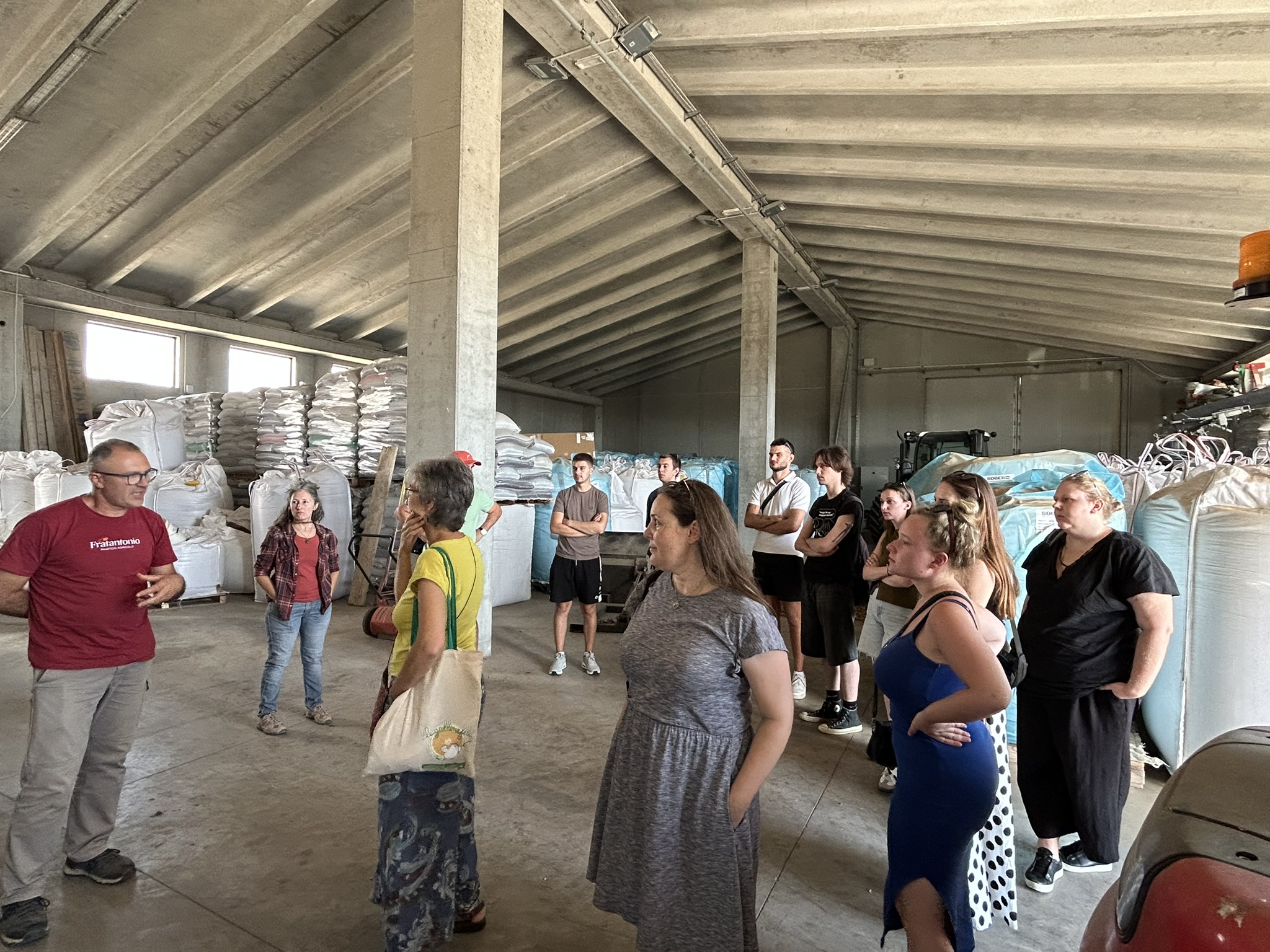
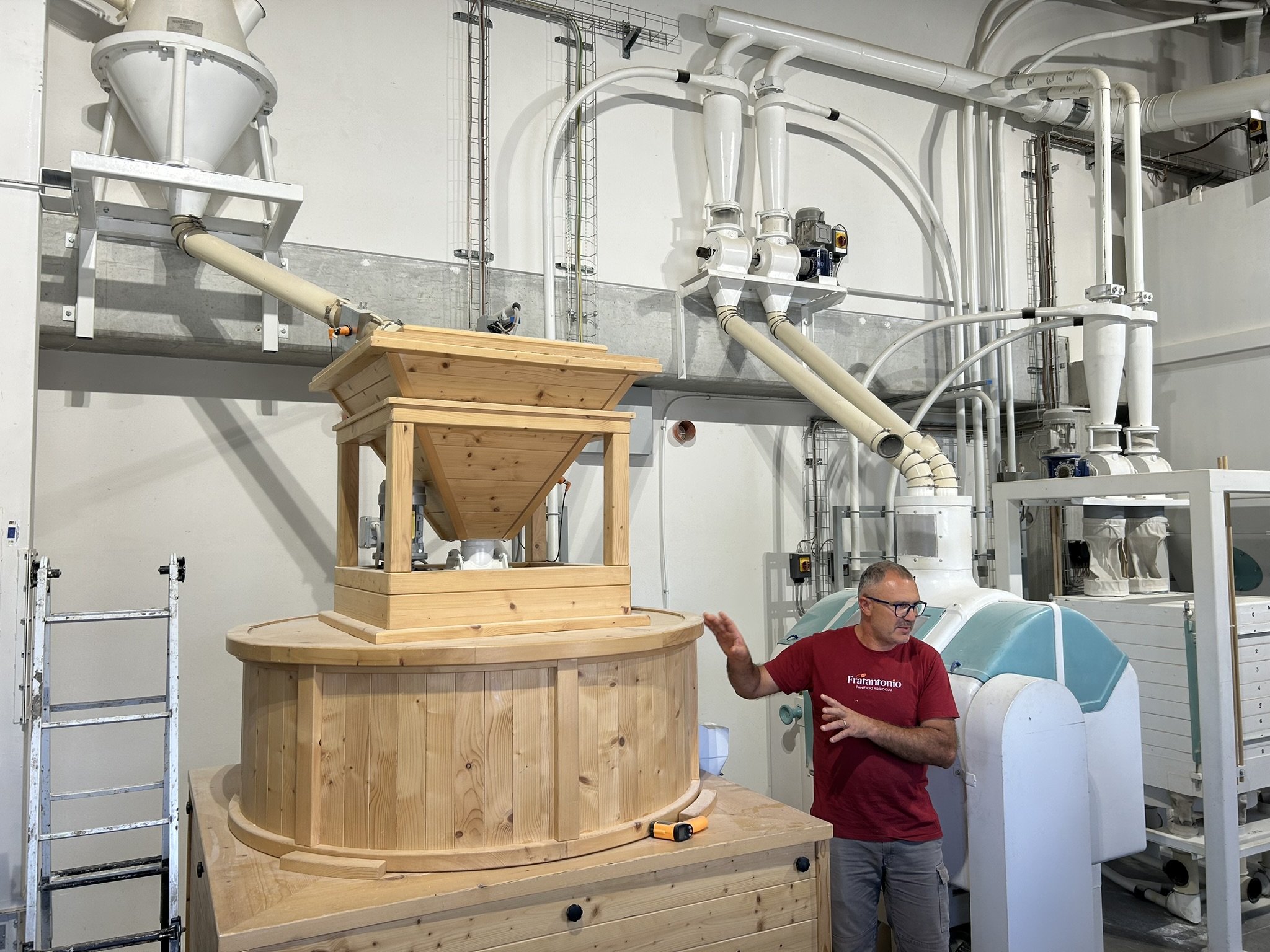
At Fratantonio , they visited the grain store and mill and learnt about grain processing and the importance of preserving old indigenous varieties. The presentation also raised questions about local production chains, the preservation of traditional knowledge and the role of smaller producers within the wider food and economic system.
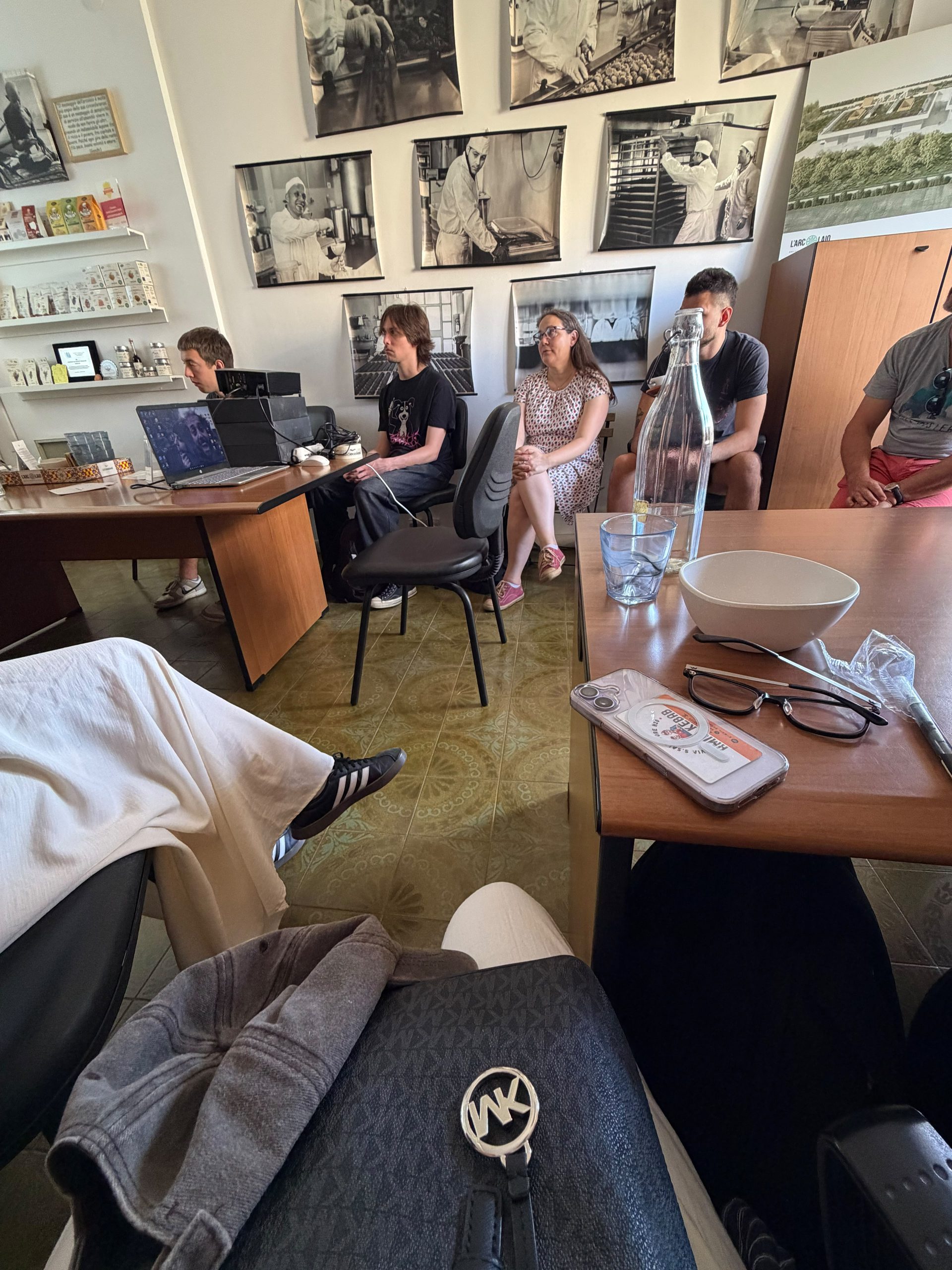
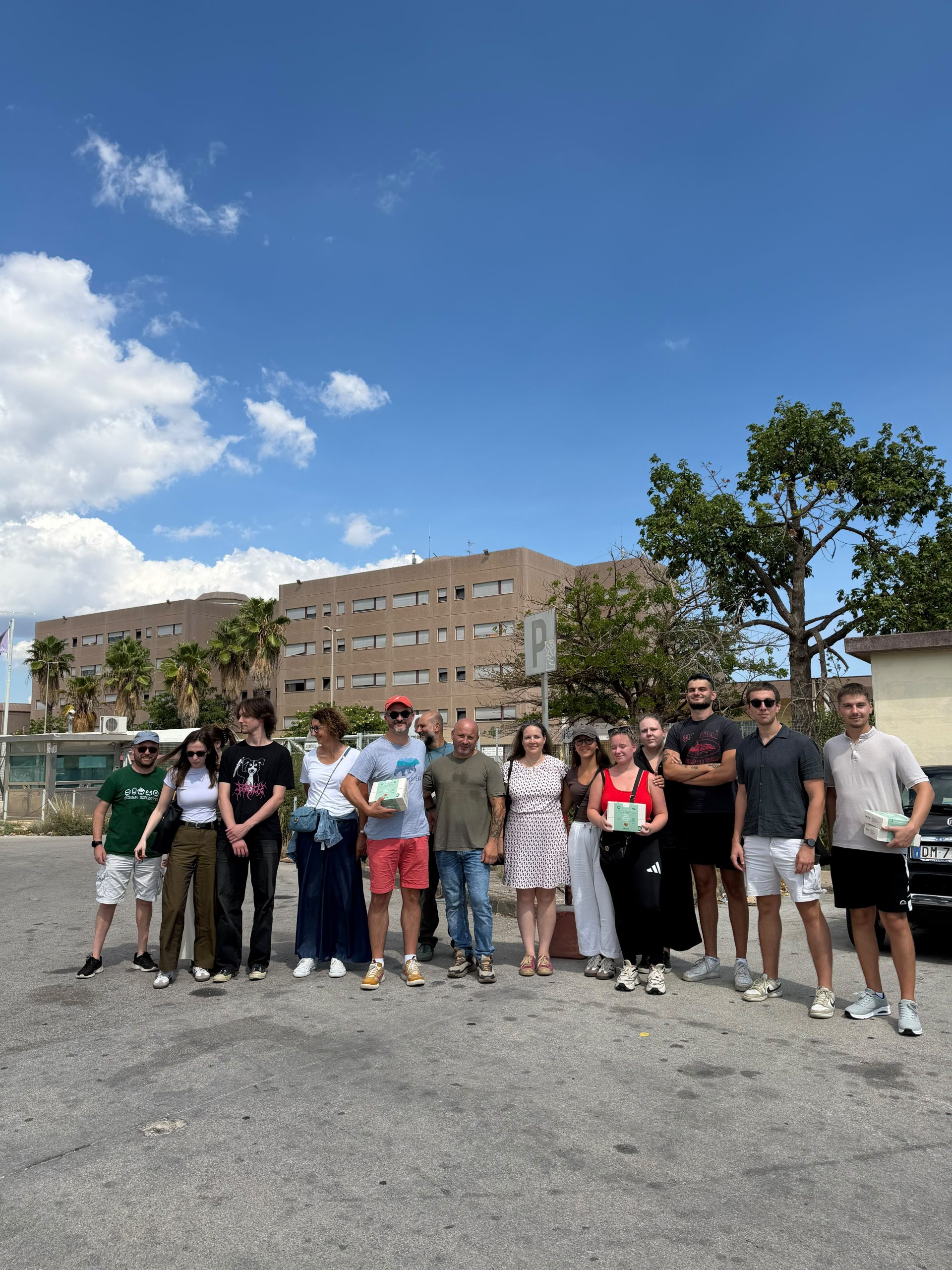
They continued their fieldwork at the social enterprise L’Arcolaio in Syracuse, whose main aim is to offer prisoners at Syracuse Prison high-quality programmes for social and vocational reintegration. They were shown how the organisation operates, how it collaborates with prisoners, and how it links with businesses and the local community. They focused in particular on the inclusion of vulnerable groups in the workforce, the acquisition of new skills, and opportunities for social and vocational reintegration. The visit provided a concrete example of how work and social entrepreneurship can become tools for inclusion and for reducing social inequalities.
Visits to the three organisations enabled the students to connect the research concepts they had previously explored in their assignments – ranging from power relations and inequality to fair trade, working conditions, the inclusion of vulnerable groups and ethical supply chains – with actual practices on the ground, and to gain new perspectives for further research.